Projektet er nu genoptaget efter næsten 2 års pause, under epedemien!
Jeg var inspirator til projektet og er konsulent og dronepilot på det!
Det kan et “Facebook” opslag medføre når det går viralt!
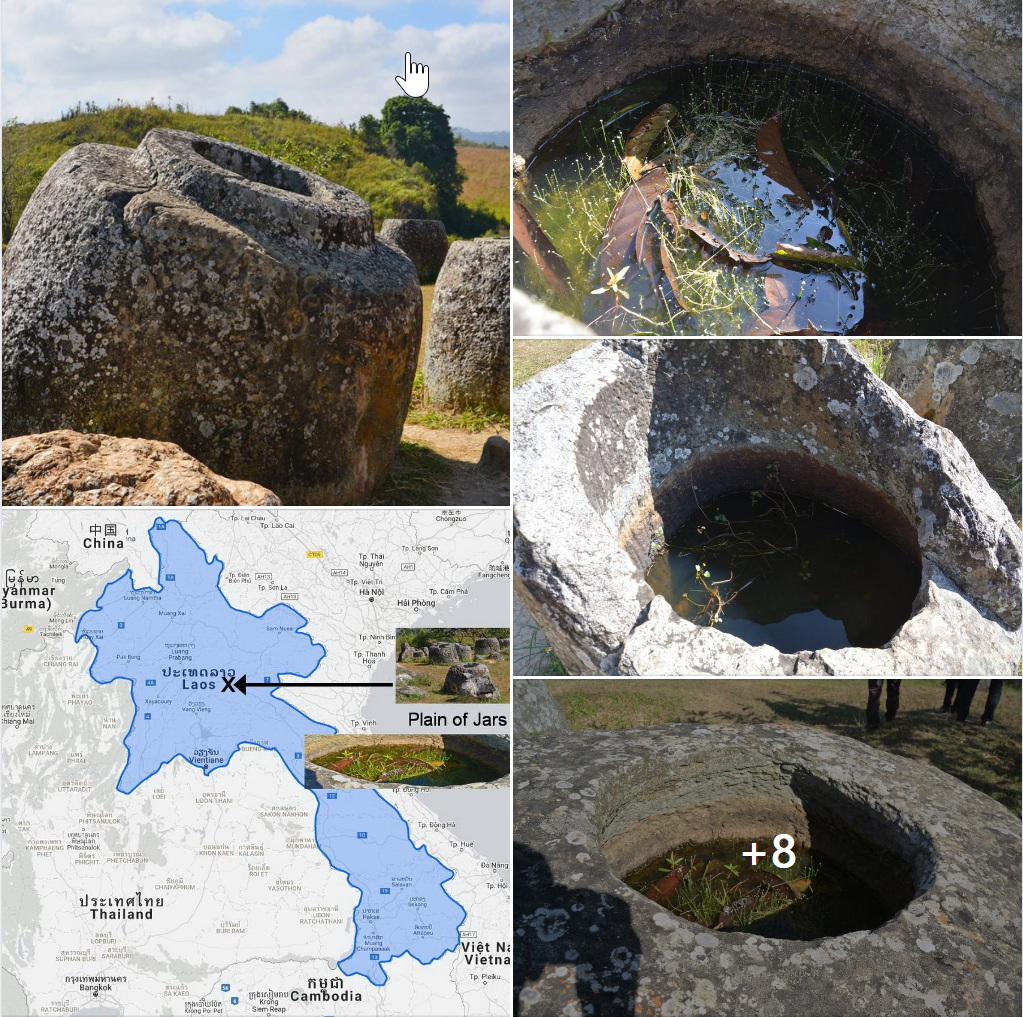
AMAZING WATER PLANT BIOTOPE – 2,500-year-old giant jars from the iron age with many different water plants – Laos ‘Plain of Jars ‘ BREAKING NEWS Summer 2019: Now – research grant for the scientific project “Plain of Jars – the world’s oldest man-made biological experiment” with a grant of: DKK 1.9 million. Inspired by this Facebook post in 2017 – See more below in notes! NOW also UNESCO’s World Heritage 2019!!The stone jars are a mystery, possibly there were coffins / sakrophages as part of a funeral ritual (Or is it The world’s oldest aquarium  ). From Giants there weighs more tons to small jars. More than 2500 are spread across multiple fund sites. At the same time, it is an area that has been flooded with mines from “The Hidden War” (Vietnam war invaded Laos) and in certain areas one had to go on safe paths. For a water-planted nerd like me, it was suddenly exciting, as there are water and water plants in most of them!. Each contain their own little ecosystem, with different aquatic plants and aquatic animals. Amazingly different! The 10 I studied more contained all different water plants !!! I had a short time to investigate it! But I’ll be back in a year Claus Christensen notes:Aquatic plants: Eriocaulon, Eleocharis, Lemna, Hydrilla, Hygrophila, Ludwigia etc.Plain of Jars – Laos en.wikipedia.org/wiki/Plain_of_Jars NB: If anyone has been there and has examined the plants in the jars – please give me a message, please. The Scientific Project: Plain of Jars – the world’s oldest man-made biological experiment Grant: DKK 1.9 million from “VILLUM FONDEN” Biotic communities, which can be found in the most extraordinary places, are assemblages of species that interact at a given location. The environment and isolation influence communities by selecting species with the right characteristics, or traits, enabling them to reach and thrive in a given ecosystem. Scattered across the landscape in central Laos, thousands of large stone jars have been left from ancient burial rituals. Together, these jars form a massive biological experiment: for 2000 years, rainwater has interacted with geology to create unique yet perfectly replicated ecosystems that include organisms ranging from microbes to aquatic plants. The unprecedented age and a high number of virtually identical replicates offer a unique opportunity for unfolding one of ecology’s long-standing questions: What shapes biological communities? Using novel sampling techniques, the project will strengthen the understanding of the importance of environmental conditions and habitat isolation for biodiversity in aquatic ecosystems. The Projects are awarded to Lars Båstrup-Spohr, Assistant Professor, University of Copenhagen, Freshwater Biology Section.